

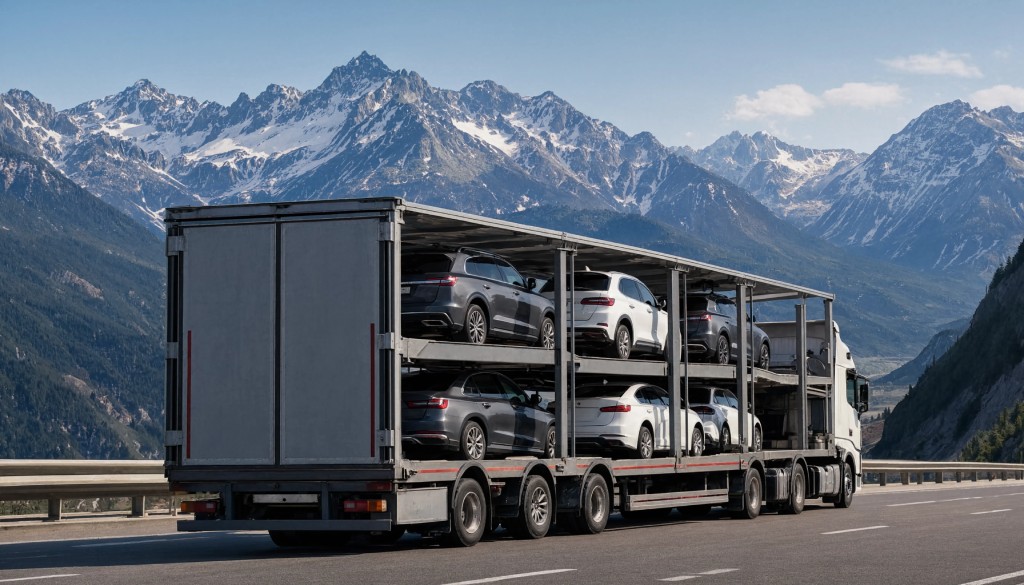
Vehicle Transport from Switzerland to Germany
Kali Global manages professional vehicle transport from Switzerland to any destination in Germany. Switzerland is not an EU member state, which means vehicles entering Germany from Switzerland require customs declaration, import VAT processing and border formalities — all of which our team handles in full, ensuring your vehicle crosses without delays and arrives correctly documented.
Vehicle Transport from Switzerland to Germany
Despite sharing an extensive border with Germany and maintaining close economic ties through bilateral agreements, Switzerland remains outside the EU customs union. Vehicles transported from Switzerland into Germany are therefore subject to import procedures at the border — including a customs declaration, VAT assessment and, in some cases, duty depending on the vehicle’s origin and value. These requirements apply regardless of whether the vehicle is being imported by a private individual or a business.
Kali Global prepares the full customs documentation package before collection takes place, ensuring that the border crossing is handled efficiently and without unnecessary waiting. We coordinate with Swiss and German customs authorities, verify the documentation requirements specific to the vehicle in question and manage the complete process through to delivery at your chosen address in Germany. Collection is available from all major Swiss cities and regions, including Zurich, Geneva, Basel, Bern, Lausanne and St. Gallen.
Request your Switzerland-to-Germany transport quote today — customs managed, door-to-door and fully insured.
WHY KALI GLOBAL?
PREPARING YOUR VEHICLE FOR TRANSPORT
A few steps before collection help ensure the process runs without delays:
- Ensure the vehicle registration certificate, proof of ownership and purchase invoice are ready for the driver at collection.
- Remove all personal belongings from the interior, boot and storage compartments.
- Reduce the fuel level to approximately one quarter of a full tank.
- Photograph the vehicle from all angles before collection for your personal records.
- Provide the vehicle’s purchase invoice and any existing Swiss registration documents — these are required for the customs declaration at the German border.
Vehicle Transport from Switzerland to Germany — Non-EU Import, Handled Correctly
Switzerland is a significant source market for vehicles destined for Germany — particularly for buyers seeking specific models, prestige brands or competitive pricing on the Swiss market. The border between Switzerland and Germany is one of the busiest in Europe, and for private buyers and businesses alike, importing a vehicle correctly requires an understanding of Swiss export and German import procedures. The import VAT obligation, the customs declaration and the documentation requirements around the vehicle’s provenance are details that, if missed, can cause registration problems and financial surprises after the vehicle has already arrived.
Kali Global handles Switzerland-to-Germany vehicle transport on a regular basis and is fully conversant with the customs procedures that apply. Our team prepares the complete documentation package in advance, manages the border crossing efficiently and delivers your vehicle to any address in Germany. We cover all major Swiss collection points — including Zurich, Geneva, Basel and Bern — and serve the full German delivery network. GPS tracking and full cargo insurance are included with every shipment.